Categories
Self Publishing Advice Writing Advice

How to edit your own novel

A guide to self-editing a manuscript

When a new author submits their manuscript to us, one of the first questions we ask is, “Has this manuscript been edited before?” It may seem like a funny question coming from a group of book editors—after all, isn’t our job to take an unedited manuscript and clean it up?

Not exactly. In fact, we turn down a significant portion of manuscripts that have never been edited before. This isn’t because we don’t think new novelists have potential; rather, we know that even the best authors have to revise their own work before submitting it to a professional book editor.
How to self-edit a novel | Invisible Ink Editing

RELATED: An author’s guide to the editing process

The self-editing process is just as important as the editing process you go through with your Invisible Ink editor. Submitting your novel before you have given it several self-revisions will waste both your time and your money. Instead, you should aim to make the novel as good as it can be on your own, then seek a professional second opinion.

Below are our top tips for editing your novel on your own.

Already done editing? Submit your manuscript for editing here.

When to begin self-editing

When in the process should you begin self-editing? The answer is different for every author. Some authors prefer to do long bouts of writing before rereading any of the work. Others have a more methodical approach, stopping to read each page or chapter after it’s complete.

Whichever style you prefer, self-editing slots into every step along the the editing process. You should self-edit your work before it goes to beta readers, and then again after you make changes based on their feedback. Another round of self-editing should happen between the beta reader stage and submitting your novel. From there, any time you write something new or make substantial changes to your manuscript, you’ll need to self-edit your work as it moves toward the final stage of novel proofreading.

Read your novel as you go

You may have heard stories of authors who do their writing blindfolded—literally—to stop themselves from reading (and subsequently cringing and deleting) their own writing. This may seem like a romantic idea, but reading your own work as you go is vital for several reasons. (We do recommend, however, going easy on your delete key when you’re self-editing if you find yourself deleting large passages.)

Rereading what you wrote recently helps you maintain continuity throughout your novel. It’s easy to forget small details, like what a character was wearing at the beginning of a scene, if you take breaks between writing sessions. Best practice is to at least reread the last few pages before you begin writing a new section of your novel.

You may also find that rereading small portions of your novel is a great way to help you overcome writer’s block. Not sure where to take the novel next? Go back and read a few chapters—ones you haven’t worked on in a while, or the last one you wrote. You’d be surprised how your own words can lead you in new directions if you’ve allowed them to “cool off.”

Finally, rereading as you write may help you pick up on some of your own writing quirks—phrases, punctuation marks, or words that may be too common in your prose. Eliminating these issues before you submit to your book editor will allow him or her to focus more on the meat of your book and less on correcting small issues.

Perform a final read-through

Editing while you go is important, but when you’ve finally written the last few words, it’s important to do a final read-through of your novel from start to finish. We’ll be honest: this can be a very painful process, not unlike hearing your own voice on a recording. It’s uncomfortable, but it’s a vital step when it comes to editing your own manuscript.

Reading the novel from start to finish will allow you to pick up on the smaller issues we mentioned above (like repetitive phrasing), but also on larger issues that may be plaguing your manuscript, such as undeveloped scenes, plot holes, or missing information.

Read your words out loud

It may feel silly, but reading your words out loud is one of the best ways to catch mistakes that you missed your own rereads. 


When you read words out loud (even if you do it in a whisper), you’re less likely to skip over those errors, because you’ll stumble over your own words as you’re reading. It may be too much to reread the entire novel out loud, but doing so for at least the parts of the novel that you spent the most time on can make major improvements to the quality of your manuscript.

Perform a search for common writing mistakes

When you’ve read and reread your own words and can no longer bear to look at the page, it’s time to perform a search for common errors. The search function on Microsoft Word is an author’s best friend, so don’t be afraid to run a full search for issues like these:

Double spaces. Industry standard is a single space after a full stop, so running a search to eliminate errant double spaces is a wise self-editing tip.

Numerals. Do a search for the numerals 1 – 10 (we mean the actual numerals, not the written-out words like “one.”) There are many rules about numbers, so if you’re unsure, check your Chicago Manual of Style or ask your book editor for advice. (If you don’t have a book editor yet, give us a shout.)

Capitalization. The find-and-replace function on Word allows you to search specifically for words that are capitalized or uncapitalized. (Look for the box that reads “Match case.”) If you have a word that you know should either always be capped or always be uncapped, use this function to find any that you may have missed.

Your own common mistakes. Every writer has common typos. If you know you commonly misspell a word, such as using the wrong form of “compliment” vs. “complement,” then run a search for all variations you can think of to clear them up.

Online editing tools for writers

You’ve probably already run spell-check through Word a number of times on your manuscript. If you haven’t, that should be top priority! Unfortunately, Word’s grammar and spell-checker is far from perfect, and so using a few different tools can help make a big difference.

Before we get too deep in our recommendations of software to use, one caveat to note: none of these tools are foolproof or able to work on their own. There is no “set it and forget it” tool for checking grammar and spelling; for all of these tools, you must be an active part of the process. These tools will make recommendations to you, but you must be the final judge on whether you want to make the suggested changes.

Grammarly

Let’s start with what is arguably the most common online editing program out there: Grammarly.  While the software still has its flaws, its grammar and spell-checker is far better than the one built into Word. It will likely find errors and mistakes Word missed, and if you sign up for an account, it will start to learn your most common mistakes and even provide you with stats on your writing.

Grammarly integrates with Word, but it can also be installed into your browser. This makes it not only useful for editing your manuscript but also any email or social media marketing you may be doing to promote your book and connect with fans.

Hemingway App

The Hemingway App is less focused on strictly grammar and more on things like sentence structure, passive voice, and repetition (issues your book editor would address during the line editing stage.) The free online app allows you to cut and paste in your own text, or you can pay a flat $20.00USD fee for the desktop app if you find you like it.

Our recommendation is to use the Hemingway App on passages that don’t feel quite right to you—perhaps they are too clunky, or too long, or have been called out by your beta readers or book editors as problematic.

Autocrit

This is one online editing tool that was designed specifically for fiction writers. Autocrit gives you a full report on a number of factors involving your writing, from repetitive vocabulary to sentence variation and even to volume of unnecessary filter words. It also gives handy recommendations on how to adjust the issues it calls out.

You can get a free report on a section of your manuscript, or upload the full document to get an overview on your first draft. However, the free report generated is only an overview—to get the full rundown, you would need to buy a subscription. Still, the overview is a great way to identify areas where you can improve your writing.

Slick Write

Unlike AutoCrit, Slick Write isn’t just for fiction writers, but it’s still a very useful tool with an intuitive and simple interface. Many of its features are similar to those mentioned above—you of course have a grammar checker, can run vocabulary checks, and get detailed, personalised statistics on your own writing.

The text reader is free—you simply need to copy paste your text to get information. On top of that, you’ll see some fun tools that help combat writer’s block and expand your vocabulary prowess.

One thing to note—Slick Write is made with students in mind, so some of the information is more applicable to academic writing than fiction writing, but it’s still a great tool.

What to do after you’ve finished self-editing

It can be tricky to know when the self-editing stage is over. Many writers feel like they could self-edit forever. While it’s a good idea to adjust your manuscript continually over a long period of time, there must be a moment when you decide you’ve done everything you can and are ready to move on to the next step of either submitting to your beta readers or your professional book editor.

If you find yourself feeling burnt out, or you are starting to feel discouraged and like you want to delete major sections of your novel, then it’s probably time to step away from your computer and leave your manuscript in the hands of someone else (namely, your editor).

Be sure to make a list of the issues you think are outstanding with your manuscript—writing out these kinds of insights will not only be cathartic but also will help your editor know what particular issues you’d like them to focus on.

If you’ve recently finished self-editing your manuscript, we’d love to hear from you. Just submit your novel manuscript, and one of our editors will be in touch.

Categories
Self Publishing Advice Writing Advice

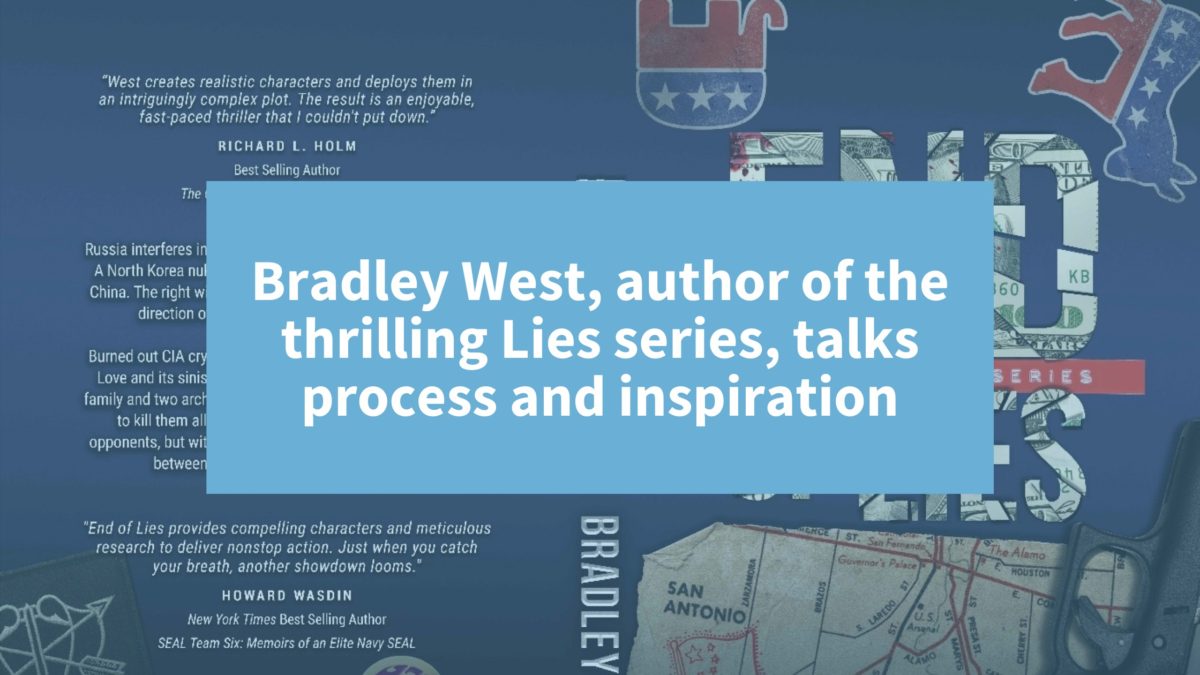
Bradley West, author of the thrilling Lies series, talks process and inspiration

Bradley West is an American expatriate who has worked and lived in Asia since 1983. His website, www.bradleywest.nethosts the True Lies blog, which showcases conspiracies and mysteries featured in his fiction, plus deleted scenes, and book reviews. He also has an author webpage on Facebook at Facebook Bradley West.

Bradley West | Invisible Ink Editing

West is the author of Sea of Lies (2016) and Pack of Lies, which comes out on October 11th (though you can pre-order now). The culmination of the Lies trilogy, End of Lies, is scheduled for release at the end of 2018.

He lives in Singapore, where he writes, exercises, and drinks red wine on a daily basis. 

Your book series centers around a real event: the disappearance of Malaysia Airways flight 370. How did this event inspire you to write this series?

Remember the scene in The Godfather when Michael Corleone was hiding in Sicily and saw Apolonia, the village beauty, for the first time? One of Michael’s bodyguards observes to his companion that the boss just got hit by the thunderbolt. That was what happened to me on March 8, 2014—the day MH370 disappeared. Three and a half years later, I’m two books deep into MH370, with many, many other conspiracies addressed as well. The tragic irony is that the actual plane hasn’t been found in all that time. So now I’ll still be able to use MH370 as a subplot of the third book in the Lies series.

What interests you about this genre of novels—conspiracy thrillers?

Shortly after I moved to Asia, I shared a flat with a newly single businessman, and a year later a regional newspaper named him as a senior CIA operative. “What was appearance versus reality?” became one of the core questions of my life.

In business, you’re always trying to infer or deduce the truth from imperfect information. Over the years, I collected stories about weird goings-on, mostly in Asia. Who knew that the secret war in Laos in the early 1970s saw the US drop more tonnage of bombs than in all of WWII in Europe? More recently, we have had regional prime ministers with unexplained billion-dollar bank balances, Osama bin Laden hid in plain sight for six years a kilometer away from the front gates of Pakistan’s equivalent of West Point, and there’s still what I would consider a multi-government-led cover up in respect of MH370’s fatal descent. Since the 1980s, I’d had all these unanswered questions bottled up, so when I shifted to writing as a career the first order of business was to research them. If I found a novel suggested by the material, then that would be the natural next step.

Talk us through the process from conceptualization through to edits.

I’m new to writing novels, and as a result my process is also in flux. I started Sea of Lies with a twenty-eight page book outline. That took at least two months after I’d spent three or four months researching the real-world conspiracies featured in the True Lies blog. Outlining proved to be an enormous time-sink, but I’d always outlined before writing a business report, so that’s how I approached the first novel.

Soon enough, I realized that Steve King was right: the characters begin to take on lives of their own. Somewhere early on, maybe chapter four or five, Bob Nolan and his cohorts weren’t sticking with the script. What I’d thought they were supposed to do no longer rang true. Characters that were supposed to end up allied to Nolan ended up enemies, and vice versa. Eventually I threw away the outline and moved to a chapter-by-chapter, modified “panster” approach. The majority of Sea of Lies and all of Pack of Lies ended up written on a Lego-block basis.

I have a quote from a thriller writer written on a sticky on the bulletin board next to my desk. It reads, “Determine what is the worst thing that can befall your protagonist, and then make it happen.” Words to write by!

Pack of Lies was written faster with less waste than Sea of Lies. I’m still using Lego blocks, but abandoned large-scale outlining for an accretive process called the Snowflake method that places more emphasis on characters and slightly less on story.

Bob Nolan is far from the typical action hero. What prompted you to create someone like him?

I created Nolan to be a pure anti-action hero. Modern bookshelves are full of Jason Bournes, Jack Reachers, John Rains and other hyper-capable secret agents. I wanted to write about a younger analog of George Smiley with maybe a little Walter Mitty thrown in. Ordinary readers can pick up my books and say, “That could be me in that impossible situation!” instead of, “I wonder how many years you have to study to achieve a 7th degree black belt in karate?”

Nolan also has a strong moral compass. He’s not a goody-goody—in fact, he’s a lawbreaker when it suits him—but he tries to do the right thing (at least in matters other than adultery). He shares my deep cynicism in respect of the competence of many arms of the US intelligence community, but never gives up. Being a physically weak man, his survival in these harrowing circumstances is due to a combination of high intelligence and strong support from people who are more adept in martial matters.

As time progresses, Nolan grows in self-confidence and competence. By the time we get to the end of Pack of Lies, Nolan is out of his shell and no longer the introvert we met in Sea of Lies. Nevertheless, you won’t see Bob fighting anyone hand-to-hand or taking sniper shots from a mile away in End of Lies.

What can we expect from Pack of Lies, out on October 11th?

Pack of Lies starts off just weeks after Sea of Lies concluded with a happy ending. The first few chapters take everything good away from Nolan. In short order the action shifts from Singapore to Pakistan before winding up in Sri Lanka. Four threads interweave, led by MH370 and then a corrupt Malaysia prime minister, Iran’s quest for nuclear weapons, and Osama bin Laden’s lost years.

You’ve also got a third book in the trilogy scheduled, End of Lies. How about a sneak preview?

I’ve got an entire magazine holder full of plastic folders with typed up scenes, handwritten pages for plot lines and ideas scribbled on beer mats. It’s still very much up in the air. We know that Bob Nolan will remain the focus, the action shifts largely to the US, and in addition to finally tying up MH370 we’re going to address the recent history of the Deep State in the US, going back to the 1960s and the Secret Team, and then the more recent incarnations. Nolan’s children are back in the picture, as are his nemeses Chumakov from Russia and Yu Kaili from China. I think you’ll like it, but I won’t know how it ends until April next year.

Any closing advice for fellow novelists?

My best advice is to write about topics you feel passionate about, and then try hard to discover a readership with similar tastes. As is always the case with building a brand, most of the work is done by word of mouth, which always takes time. You need to be in this for the long haul and resist the temptation to buy into the “instant success” hype.

Categories
Resources for Authors Self Publishing Advice

Publishing tips for indie authors: Setting a book launch date

We asked indie author and publisher Nelson Suit to answer a question we often see from our authors. Nelson is editor of the e-journal Inkspokes.com, which showcases authors, illustrators, and other creatives working in the world of independent children’s publishing.

Q.: How do I choose a release date for my novel? Setting dates often increases stress for me, and I am afraid I’ll miss my own deadlines. Any tips?

  A.: Since you are choosing the release date for your novel, I’ll assume you’ve decided to independently publish your book. Congratulations, by the way, for not only taking on the task of writing but also the challenge of publishing. For us as indie publishers, choosing a book launch date is a really exciting part of the publishing process. It’s the first bit of planning for the coming-out party for your book! It’s important to understand though that you’ve now taken on two roles. Even as your novel writing comes to an end, thinking about the release date (your ever-exciting book launch) means your publishing role has now come to the fore. book launch advice There are a couple things that might be said about setting book launch dates. First, when setting such a date, it makes sense to think like a traditional publisher. But, second, as an indie, you should also not be afraid to think like yourself. Here’s what I mean. There are many resources both online and otherwise on setting a timeline for a book launch that looks at what large publishers do. One of the first considerations might be whether you want to have your book launch tied in to a particular window or season within the retail calendar. For example, a lot of books are sold in November and December during the year-end holidays. So a book might have to be released by Halloween so that there is buzz leading into this busy buying season. Or some books might tie in to summer beach reading, or a self-help book might tie in to January sales as readers attend to their New Year resolutions. Consulting editor Alan Rinzler has a terrific post on his blog about seasonal tie-ins for book launches. Another important consideration traditional publishers look at is really just time—how much time do you need to have your novel ready for launch? And this timeline encompasses more than just having a book printed. If you wanted to do all the recommended items (as a publisher might), you might have a timeline that might run eight to twelve months from the time you substantially finish your manuscript. Why such a long lead time? There’s a long list of tasks to consider, but to name a few:
  • Beta reading
  • Novel editing
  • Book cover design
  • Illustrations (if you will have any)
  • Book design and layout
  • Proofreading
  • Connecting with your super-fans who may be able to spread the word about your new book
  • Preparing marketing materials (including your back-cover blurb)
  • Developing and executing a social media plan for the release
  • Identifying early reviewers and people who might endorse your book with a quote
  • Contacting local media sources to publicize your book release
The list goes on, and Joel Friedlander has a helpful checklist to look through as you think about how much time you will actually need. It is, of course, easy to be overwhelmed as you look at the checklist, but don’t be. That’s where my second thought on the topic comes in. This is your book. You are also the publisher, and so, while you consider all the things you might do, you decide how much time you need and which tasks you will do without. You can add in creative alternatives to what others have done that work better with your temperament. You decide what tie-ins you would like based on what you know about your book and your own schedule. The good thing about being indie is that you can be you as you go about this process. Truth to tell, we’ve done what many indie authors and publishers do, which is to hurry the process and skip more book launch tasks than we should—which, of course, we end up regretting. Books, like babies, are only born once (well, at least first edition books!), and you realize later what a unique opportunity a book launch really is to generate exposure for your new creation. Tailor the timeline to what is comfortable for you. Make it your own. Make it fun. Create special days in it for silliness and time off. That in turn might help with the stress. It’s not an easy process. Both writing and publishing take dedication and a lot of time, but you can also make it your own. In addition to editing Inkspokes.com, Nelson manages Inkspokes Media, an independent publisher, and is on the board of directors of the Independent Publishers of New England. Nelson Suit has written his own middle grade children’s book series and has spent many days and nights thinking about books, book making, and publishing. He loves handmade books and is ever curious about what other indie authors and publishers are doing (because they are mostly fun, creative, and more often than not, crazy passionate about what they do). You can connect with Nelson Suit on Facebook and Twitter (@inkspokes).
Categories
Self Publishing Advice Writing Advice

Andrew Butcher on writing motivation and how to outline a novel

Why can’t I write a book series?

This simple thought changed everything for author Andrew Butcher. Like many writers, Andrew never dreamed of becoming an author—in fact, he didn’t even like reading much until he discovered Anne Rice’s The Vampire Chronicles as a teenager.

“I devoured the series,” Andrew said. “I was at college at the time, and I began writing whatever came to me, with no thoughts of plotting or character development or anything like that.”

(A note for American readers: college = high school.)

But it was Charlaine Harris’s The Southern Vampire Mysteries that got him wondering why he wasn’t writing the kind of dark and gruesome novels he loved to read.


“It was as simple as that,” said Andrew. “I began plotting and planning my series, then began writing, and eventually I had my first book, A Death Displaced.”

A Death Displaced is the first of the Lansin Island books, a paranormal series set on a mysterious island in the Celtic Sea. Andrew is currently working on some nonfiction projects and a new standalone fiction piece, but still plans to write more Lansin Island novels.

Andrew took a break from juggling his many projects to chat with Invisible Ink about his writing life, and offer some sage advice to new writers. Read our interview with Andrew Butcher below!

To keep up with Andrew’s writing, be sure to sign up for his newsletter. Andrew can be reached on his website, www.andrew-butcher.com, as well as on his Facebook and Goodreads author pages. You can also follow him on Twitter @Andybutch13.

Your paranormal books, the Lansin Island series, have reached the No. 1 spot for their categories on Amazon (Paranormal & Urban Fantasy/Paranormal Suspense/Supernatural Suspense). How did you get the idea for the series?

The idea for the Lansin Island series essentially came from a “what if?” question. It was a question I came up with in college, years before I started writing seriously: If someone was fated to die, but they were somehow saved, what would the consequences be?

Ebook Cover for Displaced by Andrew Butcher
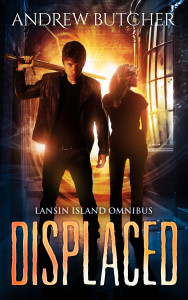
Displaced contains the first three books in the Lansin Island series.

From there, I kept asking and answering more questions until I had the beginnings of a story. I came up with the premise that the person who was saved from their fated death would begin to see ghosts, because although they were physically saved, fate wouldn’t let them off that easily. The person would still spiritually die and their soul would move on to the Otherworld. This state of being “displaced”—anchored in two worlds at once—would give the person the ability to see spirits from the realm that lies in between the two worlds: the Spiritworld.

From that initial “what if?”’ question, I managed to develop an entire world and rules for it; every new answer created more questions, which needed more answers. It’s a lot of fun coming up with ideas this way!

With the first three books in the Lansin Island series complete, you decided to branch out into creative writing instruction. Tell us about Write a Novel Outline from Scratch!, your popular video course on Udemy, and now an eBook as well.

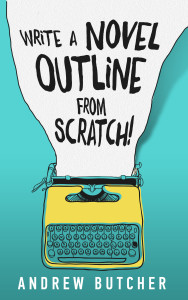
Write a Novel Outline from Scratch! guides anyone with an interest in writing fiction through the entire process of outlining a story (from scratch!), so that by the time they have finished doing the exercises, they will feel ready to write.

I decided to create the video course because I know a few people who constantly talk about how much they would love to write, BUT [insert excuse]. Often the reasons they haven’t begun writing are variations of “I don’t know where to start,” or “I have a great idea, but I don’t have any characters,” or simply “I don’t think I’d be any good at it.”

And when I thoughtThe eBook cover for Write a Novel Outline from Scratch! by Andrew Butcher about it, I realized that most people start from the same place, really. I wasn’t born with story ideas in my head. I didn’t know much about writing when I began. But I managed to create a process that has helped me write three full-length novels, and I’ve put my work out there.

I hope that people who read Write a Novel Outline from Scratch! or take the Udemy course will come away feeling confident in their ability to outline a complete novel, including character bios, location summaries, and much more. There are so many naysayers who will happily tell you why you shouldn’t, can’t, or will never write a book—but the truth is, you can if you want to, whether you believe in yourself or not. This is one tool to help you begin your writing journey.

What have you learned from teaching others about outlining? Has your personal outlining process changed?

There are too many things I’ve learned to name them all! Students of the Udemy course share their own outlining processes on the course’s forum all the time, and I’ve learned loads of great tips from them. So yes, my process has changed a little because of this.

I think writers are always adapting their approach to writing, learning more with each new project. I try to never think of my own process as a fixed formula. I encourage all of my students to take the parts that work for them, leave the parts that don’t, add anything else that already works for them, and keep on experimenting.

“I love great characters and compelling stories. I also read plenty of nonfiction, because I hate the thought of stagnating; stagnation equals death, in my mind.”

Any other advice for budding authors?

Learn to trust in your own voice and writing process. Take criticism with a pinch of salt. Of course, you should take feedback on board. But there are so many writers and readers out there who try to tell you that their way is the way, when actually some of their advice might be generally helpful, but that doesn’t mean it’s right for everybody. It may even be harmful. And don’t obsessively check reviews and sales; these things fluctuate and will throw you off center if you come to rely on them.

You’ll hear that to be a writer you have to write every single day. You don’t. Also, some people will say that if you’re not enjoying the writing process, then you’re doing something wrong and your quality of writing will drop noticeably. Not true! I’ve written while in almost every mood and even while depressed, but it doesn’t seem as if any, or at least many, readers have been able to tell.

The list of “truths” and “rules” regarding writing is endless. But ultimately, you have to decide for yourself what feels authentic. None of my favorite authors are known for following the rules; they’re known for the exact opposite.

Finally, learn to “switch off” from your writing when you’re not doing it. Otherwise the people around you will sense that you’re not really present. In other words, seek balance.

Are you a tried-and-true “plotter,” or do you consider yourself a “pantser” at times?

It’s different for each project, but I think in general, I’m about 80 percent plotter and 20 percent pantser. But it also depends on what part of the writing process I’m at. Most of the time I plot so heavily that I (think I) know the story inside out, but then when it comes to writing, I mostly put the outline aside and just go with the flow. This allows me to enjoy the writing, and to be surprised if the story takes new directions. But I also have the comfort of knowing that if I get too far off track, I can look at my outline again.

What inspires you to write if you’re not in the mood?

I find it really difficult to do anything I don’t feel in the mood to do. If I get any whiff of obligation, I will find a trillion ways to resist doing the work. I’m so good at procrastinating that I even wrote a short nonfiction piece called How to Procrastinate … Like a Pro!: 101 of the Most Deadly Procrastination Techniques. (Even writing this book was a practice in procrastination; I was avoiding finishing the third book of the Lansin Island series at the time!)

If I’m really struggling to write, I create a reward system where I write for two or three hours and then take a break to eat or watch an episode of whatever TV show I’m currently addicted to. I also try to remind myself before sitting down to write that most things are never as difficult or frightening as we imagine them to be. After breaking through the first twenty to thirty minutes of writing, in which the resistance is strongest, I usually find some flow and enjoy it more than I expected to.

You’re entirely self-published. What does your editing and publishing process look like?

I’m really happy with my editing process because I was lucky enough to find a great editor I’ve been working with for a few years now: Leah from Invisible Ink Editing.

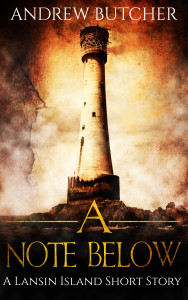
Ebook Cover for A Note Below by Andrew ButcherBecause I’m a bit of a perfectionist, my first drafts are usually fairly clean (I think—Leah might disagree!). But I always go over everything again at least once myself before sending it to Leah, who then makes her edits and sends it back to me. I then approve or reject her edits (I approve 99.99 percent of them!), and then I usually send a copy of the book to around fifteen beta readers, who are fans of my series. They usually notice a couple of easy-to-miss mistakes, which I edit immediately. If more than two or three of my beta readers comment on the same issue, like some dialogue sounding out of character, I will look at that particular thing and consider changing it. But normally this is just a final sweep.

Then I pay for a professional book cover and formatting. I’ve been using Damonza.com for these services for the past few years, and I highly recommend them. It normally takes up to a month for me to decide on a cover and formatting I’m happy with.

Finally, I fill out all the information on Amazon and the other platforms and hit “publish”!

Lansin Island seems like an interesting place to live. Would you want to live there if you could?

Knowing what is really going on behind the scenes on Lansin Island, I don’t think I would live there. I’d go on holiday there, though, especially for one of the celebrations they hold for the seasonal Sabbats! And I’d visit the The Burning Grounds too.

If you could ask one of the characters in the Lansin Island series to tea, who would it be?

I don’t want to give away spoilers, but it would have to be someone from the Otherworld, because I’d want to know everything about their world and their magic! Otherwise, it would be Tamara Trewin, the last living descendent of the Lansin Island Witches. Because she’s a true witch, I’d ask her about her magic too. Also, I think she’d make a good cuppa.

Andrew Butcher currently resides in Hitchin, England, with his partner and their pet tortoise, Tricky. They hope to move to the Costa Blanca region of Spain one day.

The Lansin Island series, Write a Novel Outline from Scratch!, and more of Andrew Butcher’s books are available on Amazon and other online eBook retailers. To learn more about Andrew’s writing or to get in touch, visit www.andrew-butcher.com.

Categories
Self Publishing Advice Writing Advice

5 useless fears all writers should dismiss

If the pen is mightier than the sword, it stands to reason writers can be more courageous than knights. However, there isn’t a writer alive (or dead, for that matter) who hasn’t felt some fear when working on and publishing a novel.

Some fears can help you closely examine your work and improve your quality, while others are completely useless. Here are five common fears among writers, and the reasons you should try to get over them as soon as possible:

1. No one is ever going to read this

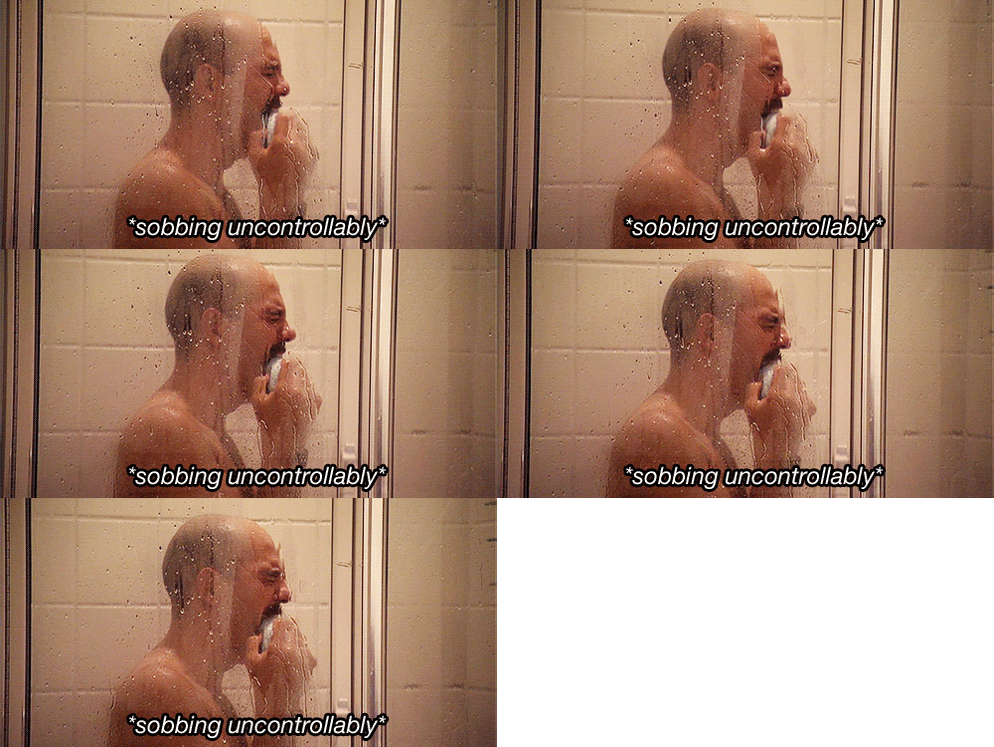
tobias-funke-crying-in-shower

This may be the most common fear among authors, and it’s also the most challenging to overcome. Many famous authors were convinced they would never make it big–and they had the evidence to prove it! Gone with the Wind was rejected thirty-eight times, and that’s just one example.

Of course you want people to read your novel, and while there’s no guarantee it will sell, the self-publishing industry, coupled with social media, makes it easier than ever to find your audience. But if you’re only writing so others will read your work, you’re short-circuiting the process. Write because it feels good. Write to express yourself. If you do that well, the readers will follow.

2. I don’t know how to [fill in the blank]

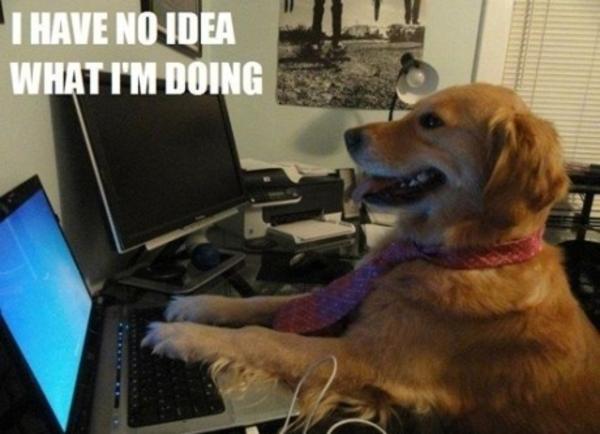
No idea

What’s your writing weak point? Maybe you struggle with dialogue, or you just can’t seem to really capture the description of your setting. All writers have strengths and weaknesses, which is part of what makes it so exciting to read different authors.

If you are convinced that you fundamentally don’t know how to do something writing-related, however, you are lying to yourself. Like any skill, writing is honed through practice. If there’s something you’re not good at, then find a way to focus on it. Join a workshop, ask your editor for advice, or just give yourself a writing prompt centered on your weakness. Saying you simply can’t do it is a lazy excuse!

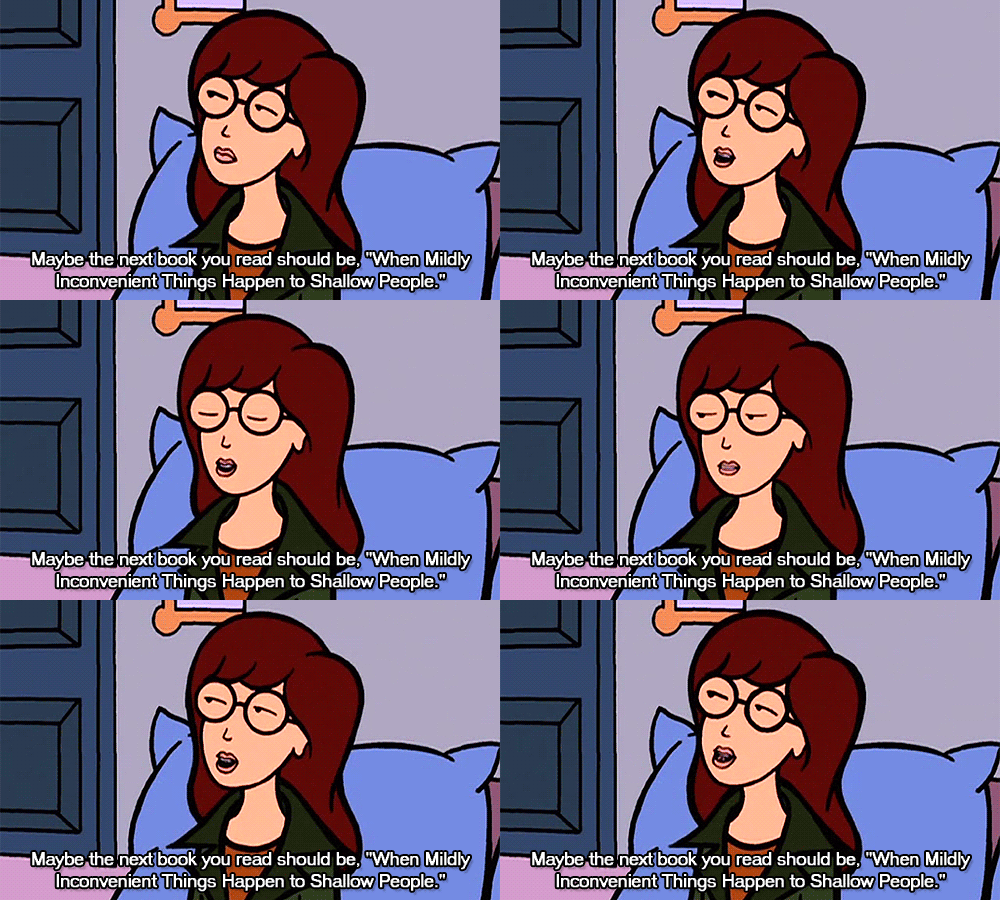
3. My novel doesn’t have any depth

Daria-Quote-When-Mildly-Inconvenient-Things-Happen-To-Shallow-People-GIF

There are two ways to overcome this fear, which is something many authors worry about. First, consider whether depth is really what you’re going for. If every book were as full of meaning as The Grapes of Wrath, then the world would be a much drearier place. Some genres, like romance, erotica, or action, are more about having fun than making astute observations or questioning the meaning of life.

But if you are aiming for depth, consider this: The only way to truly know if your novel has depth is to show it to others. Your beta readers, editors, or peers will be able to give you feedback that will indicate whether you’ve gotten your message across. If they don’t interpret what you intended, then you have two options: Find peace with the meaning you unintentionally put on the page, or, during your next round of edits, use their feedback to tease out the meaning you wanted.

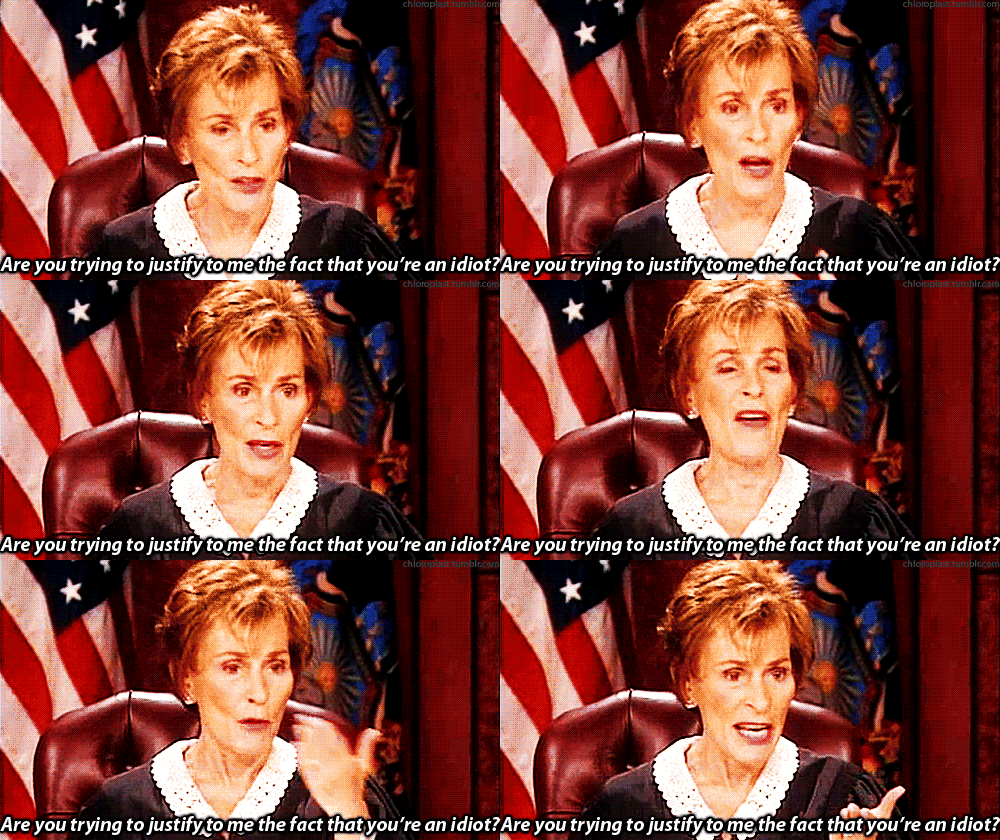
4. My editor thinks I’m an idiot

84905-judge-judy-gif-are-you-trying-FYwK

Show me an editor who makes you feel like an idiot, and I’ll show you a person who’s in the wrong line of work. The reason we editors choose this career path is for the love of helping authors revise, improve, and succeed. We are not here to make anyone feel bad about his work, and if you find your editor is being cruel or unhelpful, it’s time to send her the pink slip.

This does not mean your editor will sugarcoat her feedback. You’re paying for a service that shines a light on the areas of your work that need more attention, and with a good editor, that’s what you’ll get. However, honest feedback shouldn’t come with insults, humiliation, or didactics.

5. I have no idea how to publish

hunger-games-quotes-23

The publishing industry is notorious for being a labyrinthine nightmare, but times have changed. Thanks to the advent of e-readers, publishing your work has never been easier. What’s more, there are individuals out there who specialize in helping you get published, and they’re usually a lot cheaper than the book agents of yesteryear.

Publishing through Amazon or CreateSpace is as easy as clicking a few buttons (literally!). On top of that, there are myriad small publishers out there who make it simple to send in submissions–without those extra fees or silly snail-mail requirements. The thought of getting your work out there may be intimidating, but the avenues to publication are open and ready to be explored.

Categories
Self Publishing Advice Writing Advice

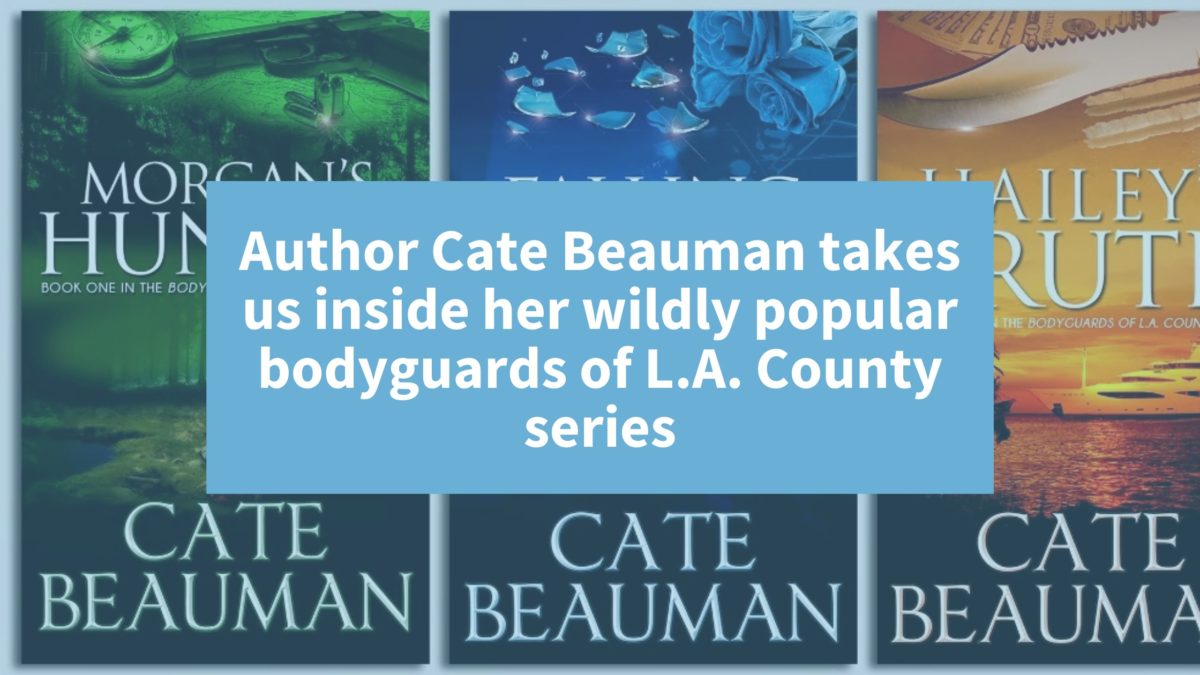
Author Cate Beauman takes us inside her wildly popular Bodyguards of L.A. County series

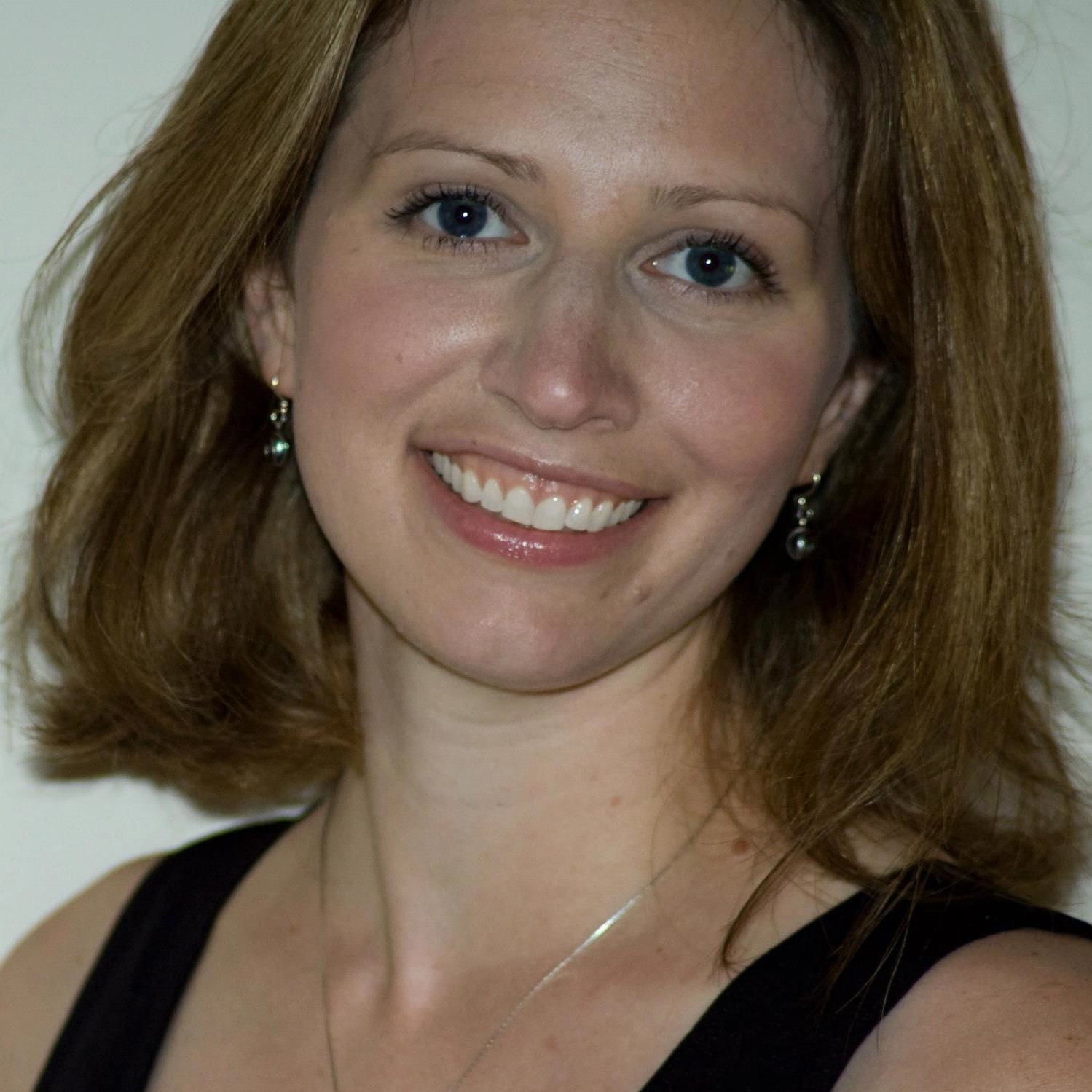
cate head shot

Cate Beauman fell into writing more than she dreamed of it. “Writing novels never made my bucket list,” she says. “One day I picked up a pad of paper and scribbled down the thoughts in my head. Next thing I knew, I had over 100,000 words. I’ve been obsessed ever since; now I can’t imagine doing anything else.”

A former New England resident, Cate now makes her home in North Carolina with her husband, two boys, and their St. Bernards, Bear and Jack.

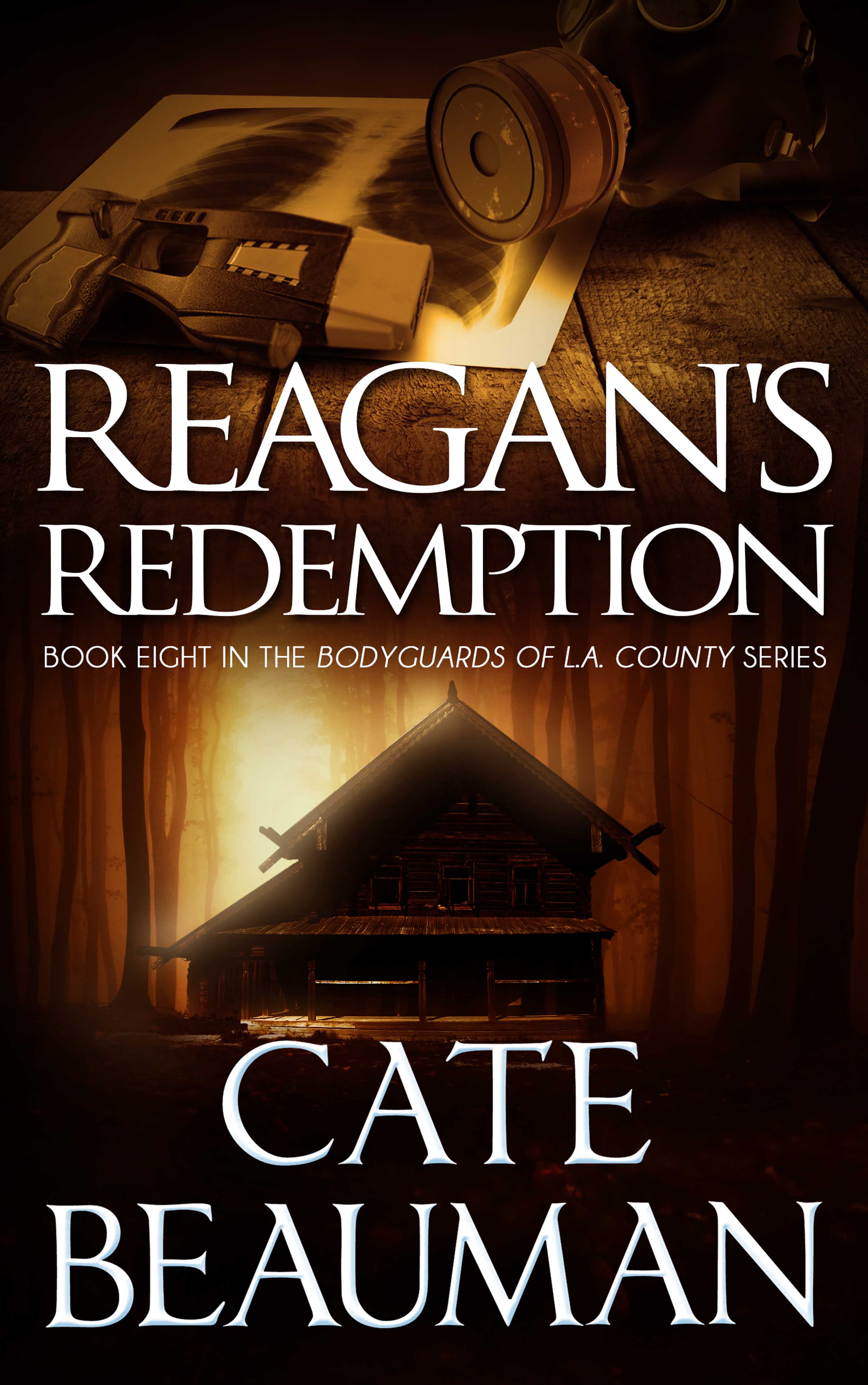
Cate is currently working on Reagan’s Redemption, the eighth novel in her best-selling romantic suspense series, The Bodyguards Of L.A. County.

For information on new releases, monthly giveaways, and upcoming events, sign up for Cate’s newsletter. Cate can be reached on her website, www.catebeauman.com, or on her Facebook page. You can follow Cate on Twitter @CateBeauman.

Tell us how you originally got the idea for the Bodyguards of L.A. County series.

I never planned to write a series. The thought never occurred to me as I wrote Morgan’s Hunter, the first novel in the series—and really, my first work as a serious writer. I was simply telling the story of a bodyguard who was protecting his feisty principal in the backwoods of Montana. But then I introduced Ethan and Sarah to the plot. As the manuscript started to unfold I became very intrigued with the idea of giving Ethan and Sarah a story of their own. Not long after finishing Morgan’s Hunter, I wrote Falling for Sarah, which was supposed to complete a two-book series. Then Austin and Hailey were added to the storyline, and I realized I had a series on my hands. The rest, you could say, is history!

Tell us about your upcoming book, Reagan’s Redemption. Who will we meet in this novel? What kind of excitement can we expect?Reagan's Redemption - Ebook

Reagan’s Redemption is the story of Doctor Reagan Rosner and her bodyguard, Shane Harper. Reagan is at a crossroads in her life after a heartbreaking and unexpected tragedy. Unsure of what to do, she joins The Appalachia Project, a government-run program aimed at bringing aid to some of America’s poorest citizens.

Shane Harper is assigned to keep an eye on Reagan and the pharmaceuticals they have on hand in the odd and often hostile little town of Black Bear Gap.

As Reagan and Shane work together to help a reluctant community, they uncover secrets the town intends to keep hidden at all costs.

You are a master at balancing both romance and suspense in your novels. How do you make sure you give your readers a healthy dose of both, without crossing any lines?

That’s a tricky question. Honestly, I’m not exactly sure how I do it. I love romantic suspense. I’ve read the genre for years, so I think I try hard to give my readers what I would want. Romance always plays the central theme in my stories, but sprinkling in elements of danger really adds something special. Love and romance are hard enough, but when the characters’ lives are in peril and the odds stacked against them, it heightens the entire experience. I love weaving the two together.

What sort of lessons do you hope your readers take away from your novels?

I don’t typically write with messages for my readers. Basically, reality bites sometimes and I love to give my readers a place where they can go and get lost in someone else’s problems for a while. Mostly the stories I tell are for pure entertainment. I strive to make my characters flawed and relatable and their experiences exciting yet plausible.

You’re quite the prolific author. How do you keep coming up with fresh ideas on a similar theme?

I spend my time off watching lots and lots of crime television. When I find myself running low on ideas, I sit down with a pad of paper, turn on the television, and wait for a documentary or situation on a crime show to pique my interest. When I see something special my brain kicks into high gear and ideas just start flying. Sometimes I can see scenes for the new story I will tell in my head right then and there—one of the true gifts of an overactive imagination!

What is your editing process like?

Typically I write in a three-draft form. First draft is getting the ideas down in a loose story form. My second draft is when I get the story right by adding more of the emotive and physical descriptions, and the third is when I run my manuscript through a program called AutoCrit Editing Wizard. The program helps me find overused words, slow passages, so on and so forth so that when I send my work off to Liam at Invisible Ink Editing he’ll have as clean of a copy as I can give him.

What is your publishing process like?

I self-publish, so my publicist and I handle the workload ourselves. We do lots of blog tours and interviews. I also spend a lot of time with my Facebook fans on my author page getting them ready for the launch of each new story. I think that is one of my favorite parts of this whole journey—meeting and interacting with so many great people.

Do you have any advice for budding authors?

Never give up on your dreams. When I started out in this business I almost quit after the first editor I contacted told me I couldn’t write and I shouldn’t quit my day job. Luckily, I have a lot of really supportive people in my life who encouraged me to keep writing. I’m glad I did because telling stories is one of my biggest passions and has changed my life for the better. Write because you love it and the rest usually falls into place.

Last question—you are being pursued by thieves intent on stealing your latest manuscript. Which of the hunks from your book would you want to protect you?

Oh, wow. This is truly an impossible question to answer! All of the agents from Ethan Cooke Security are more than capable of keeping my manuscript and me safe, but they’re all so different and intriguing in their own ways. It’s kind of like asking which of your children do you love more. I love them both with the same power but their unique qualities are what make me adore them. How’s that for an answer?

Categories
Self Publishing Advice Writing Advice

A.D. Starrling, author of the smash series “Seventeen,” discusses her road to success

AD Starrling is the indie author of the

A.D. Starrling is the indie author of the award-winning and nominated supernatural thriller series Seventeen. She lives in England, where she spends her time writing fast-paced, action-packed thrillers, and juggling babies in the intensive care unit where she works as a part-time pediatrician.

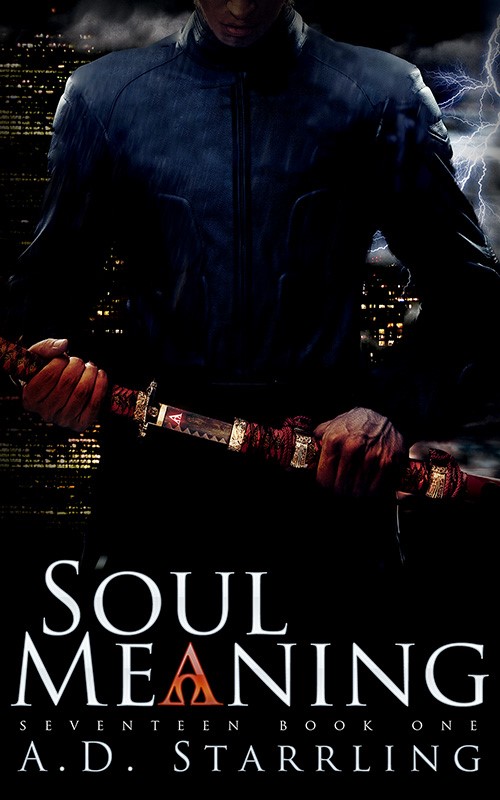
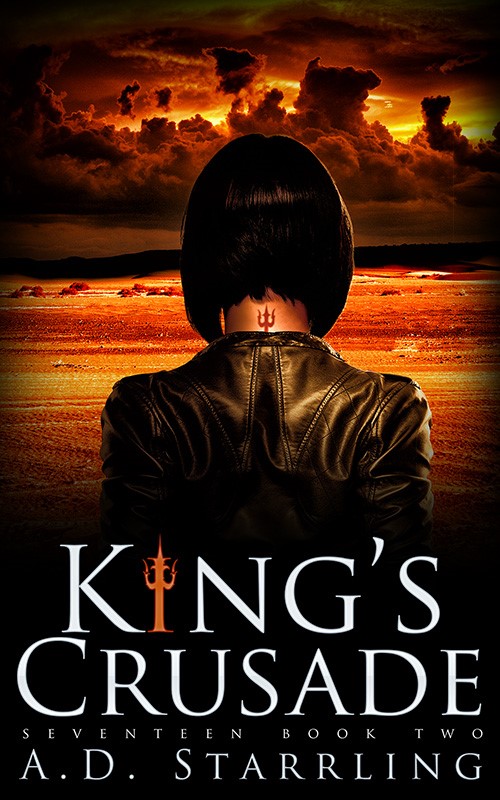
Soul Meaning (Seventeen Book #1) and King’s Crusade (Seventeen Book #2) are currently available for sale in e-book format on Amazon, with the paperbacks scheduled for release in March and April 2014.

To find out more, contact her at:

rsz_emailTwitterrsz_email_adFACEBOOK

Or you can visit her website, subscribe to her newsletter, see her on Wattpad, or check out her U.S. Amazon page or U.K. Amazon page.

Your Seventeen series has seen some major success. It’s such a unique story; how did you come up with the idea?

The origin of Seventeen is a story in itself. Several years ago, I went to Mauritius on one of my biennial visits to see my family and ended up going on a day trip to a beautiful island off the mainland called Ile aux Cerfs. When our boat was traveling through the lagoon on the way back, it passed a small sandbank with mangrove trees. On it was a black marker stone bearing the number 17, written in red, dripping paint. It was a striking sight to say the least and one that stuck with me. When I decided to write something for the British Fantasy Society short story competition the next year, that image came to mind.

That short story made the top five of the BFS competition that year. But I wasn’t satisfied with it just being a short story. Lucas wanted to tell me more. So I listened and carried on writing.

What do you find is the hardest part about your writing process?

The constant fear that I might not be able to finish my current project. I’m sure most authors live with this fear. It

Sould Meaning, by AD Starrling

normally hits me about 15–25 percent into the book, then at about 50 percent. I call the latter the “middle of the book” syndrome. This is also the point when I start to wonder whether I’m writing a pile of poop.

Can you tell us a bit about your self-editing and proofreading process?

I edit as I write. Always have and very likely always will. I know of many authors who write the first draft as fast as they can, without any editing, and then spend a few months researching, rewriting, and polishing. Stephen King suggests this style of writing in his book On Writing. I don’t think I’ll ever be able to do that. I would not be able to write the next scene or chapter without going over the previous material.

The disadvantage of writing this way is that it takes a long time to produce that first draft. Writing full time, it can take me anywhere between three to five months to produce a 100–106–thousand word draft. The advantage is that the first draft would have gone through three or four edits by the time I submit it to my editors. The rewriting then tends to be short, a couple of weeks, three at the most, with the final proofreading taking another three to five days.

The best proofreading method I’ve discovered is to read the book out loud. Your ears don’t lie to you as much as your eyes do.

Who would you rather have by your side in a bar fight: Lucas, Alexa, or Conrad?

That’s a tough one. Lucas is strong and very special, as we see in the first book in the series. As the first immortal I created and by virtue of his abilities, logic dictates I should pick him. Alexa is the ultimate immortal warrior and the best fighter of the three of them. But she’s scary as hell. Yes, she even scares me, her creator. Conrad is a great fighter and a healer.

I’d have to go with Conrad. Considering I’m a klutz who can’t fight, it’d be great to have someone there to stop me from bleeding to death.

What sort of promotions do you do for your writing?

In the past, I have done blog tours and competitions, Goodreads giveaways, paid advertising on specific sites, KDP Select with free and paid advertising, and physical book launches.

This year, I will be doing Netgalley and Wattpad, as well as a few of the above. There is always a learning curve with what works and what doesn’t with promotions, and with the fast-changing pace of this industry, there will always be new things on the horizon.

If you had sixteen lives to live, what would you want to do?

  1. Travel the world and live in as many countries as I can over my many lives.
  2. Go back to university and do degrees in other subjects that interest me: literature, arts, languages, design, astrophysics…the list goes on!
  3. Conquer my fear of heights and deep water.
  4. Contribute something lasting and useful to human society.
  5. Do humanitarian work.
  6. Work to preserve endangered ecosystems and species.
  7. Become an athlete.
  8. Own my own island.
  9. Become a professional chef able to cook all the cuisines, from all the cultures of the world.
  10. Be a writer in all of my lives.

What’s next for your writing career?

I will be completing the series Seventeen in the next three years, with Book 3 scheduled for release late spring or early

King's Crusade, by AD Starrling

summer 2014 and Book 4 currently in progress. I would like to secure an agent in the next year or so to look at what I can do with the rest of my rights, especially foreign translation, film, and other digital media, including gaming and comics. I have plenty of other projects to keep me busy over the years to come, including a long-term, lighthearted fantasy project that’s close to my heart that may yet see the light of day under another pseudonym.

Do you have any tips you’d like to share with other aspiring indie authors?

Do your homework before you embark on this path. Read and research as much about the self-publishing industry as you can. There are plenty of great writing blogs out there that provide information for self-published authors. I’ve listed a few of them at the end of the self-publishing article under the “Bonus” section of my website. You will find conflicting views and opinions as you read about this industry. That’s normal. Once you have publishing experience under your belt, you will figure out which opinions you agree with.

The publishing industry is in a state of flux, and many believe there has never been a greater time to be a writer. I agree. Don’t expect to know everything at once. You will make mistakes and decisions you will regret as you travel this path; learn from them and move on.

Be realistic about your goals. Why are you doing this? If it’s to get rich quick, don’t bother. If it’s to establish a writing career and be in it for the long haul, knowing that you may never make a living out of it, or if you do, that it may be many years away, then go for it.

Be professional. As a self-published writer, you are effectively setting up a new business. Grow a thick skin. You will get what you deem to be negative reviews. Learn from them if you can and move on. Don’t attack the reviewer unless he or she has done something completely unacceptable, in which case, open a polite channel of communication. Reviewers review the book; they should not bully or attack the author on a personal level. Most “negative” reviews are well expressed and bring something valuable to the author. Not everyone is going to like your book. That’s just life.

Before I embarked on this path, I read a few articles that said self-publishing is easy. Yes, it’s easy to press the upload button on Kindle Direct Publishing and have your book available for sale within less than twenty-four hours. It’s everything that comes before it that’s hard. It’s hard to write a good book, to make sure it’s been thoroughly edited and proofread, to have a good and appropriate cover for it, to have it formatted for an e-book and/or a print book, and, most importantly, to get people to buy it. That’s why I have a team. I have two editors, two proofreaders, several beta readers, a cover designer, and a formatter. If I do a blog tour, I outsource that to a reliable tour organizer. I’m lucky in that I have a good day job that can pay for these services. There are many authors who have learned to do all these things on their own. If you’ve got the time and wish to try your hand at these skills, do it.

But don’t put a poor-quality product out there and expect people to pay money for it just because you couldn’t afford to have the best editing, the best cover, and the best formatting. It has to be your best. Save up. Cut down on luxuries. Don’t take that holiday. You need to invest in any new business to gain from it long term, and you have to make many sacrifices along the way. Why should writing be any different?

And remember, you’re doing this because it’s your dream job. If you love it and enjoy it, it won’t feel like work most of the time. If you’re not enjoying it and you dread sitting down to it, rethink whether this is the right choice for you.

Categories
Self Publishing Advice Writing Advice

Your indie novel is a (beautiful) gutter

It’s an ugly metaphor, but it’s one that makes sense to me as a professional editor. Think of your story as a gutter running along the side of a house. Making up that gutter is the meat of your story: plot, characterization, setting, style—everything. Your goal is to nab your reader and pull him or her through the gutter, not unlike the itsy bitsy spider. But your reader needs to make it smoothly from the opening of the gutter (your first page) to the spout at the end (your final page).

Readers must pass through your novel like water through a gutter.

Unfortunately, as anyone who’s spent time on a roof will tell you, gutters get clogged. Big clumps of muck block the passageway, making it impossible for water—your readers—to pass through unhindered.

When you sit down for a proofreading or editing session, you want to clear out all of the gunk until your gutters are clean enough to eat out of. Then you can focus on enhancing the most valuable parts of the story. It can be difficult, however, to see all that gunk when you’re so immersed in the narrative, and that’s why a second set of eyes is a crucial step in the editing process.

My fellow book editors and I spend much of our time identifying and eliminating the muck from manuscripts, particularly when we provide a literary edit. However, indie authors also need to be on the lookout for the gunk when reviewing their own pieces. So don’t be afraid to get on those rubber gloves and start cleaning those gutters, baby.

—Liam Carnahan, Founder and Chief Editor of Invisible Ink Editing